Don’t let beauty of life escape you. – Ryan Holiday
Let’s start with a little exercise. I want you to think about the things that you see every day, it can be literally anything that you encounter during your daily life. Ponder to yourself: is it difficult to think about something? Are these things relevant? But, most importantly, what do those things make me feel?
Nowadays, it is so easy to get distracted and it is not completely your fault, all the companies are fighting to get your attention; so then, we end up living in an environment that is not ours, an environment made by someone else and that can make us feel sad, depressed and not connected with our own lives!
Your life is worthy and full of art, good art that fills you with good vibrations and great emotions. The art can be the sun beam entering your room in the morning, can be that green plant in the reception, can be that photo of your family next to the TV, it can be anything you encounter in your daily life. Mindfulness helps us to realize the things present in our lives, it can help us to create our Museum of Happiness, full of great art, full of your unique art.
The science
There is an incredible word that is responsible for creating an environment that makes us thrive and responsible for creating our museum of happiness, that word is “Awe.” Although it is difficult to explain, psychologists call it “self-transcendent,” when we shift our attention away from ourselves and we feel we are part of something greater1.
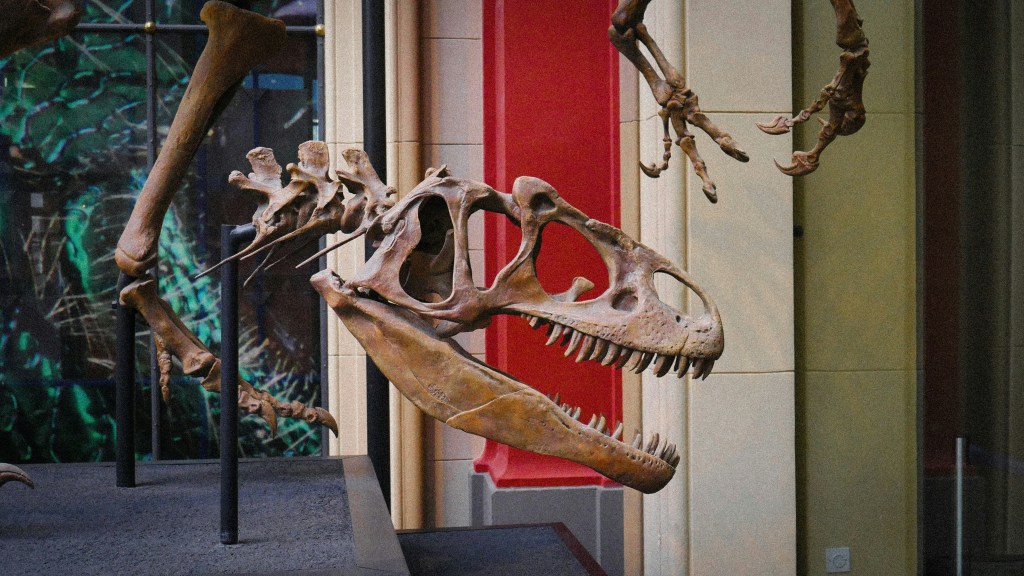
When we think of awe the most common things that come to our mind are: an astronaut watching planet Earth for the first time, a football player scoring a goal in a championship final, someone achieving a milestone in their career. But actually, the feeling of “Awe” can be found in more ordinary situations in life. For example, scientists can find awe-inspiring objects at close hand as they make experiments that might go well (or might also go badly), or a museum guard can experience it when he sees the skeleton of a Tyrannosaurus Rex, or a home-office worker can experience it when she sees a light beam entering through her window. As you may see, now we are gravitating in the orbit of more day to day activities.
In general, experiencing this feeling can help people increase: critical thinking, positive mood, and it makes us more kind and generous. However, a person’s tendency to experience awe is correlated to a number of other positive traits: beauty, creativity, and gratitude. Fortunately, we can make our way to induce more “Awe” into our lives, and this thanks to mindfulness and environment design.
Mindfulness
Feel your complete self, and do not ignore the richness of the present moment (really, do it right now. Take a deep breath). As Jon Kabat-Zinn wrote in his book “Wherever you go, there you are,” mindfulness is the systematic cultivation of wakefulness, of present-moment awareness2. Do not let yourself go in autopilot-mode, driven by someone else, by people that do not even know you. Our life has a direction, what happens now influences what happens next; to find our way, we will need to pay more attention to this moment.
Mindfulness means paying attention in a particular way: with purpose; with the intention of noticing the life around us without judging, even better, to grab a little of that happiness and stillness for yourself. This means being a “joy finder.” When you are outside of your house, try to find things that remind you that you are alive and that you can experience moments of joy and awe; or, a little more challenging, when you are in your house, try to find joy.
The breath is an anchor that brings you back to where you are right now. Acknowledge, be a witness, and live.
Environment
It is true that the environment plays an important part in our lives, without even knowing, it could have already molded many of the decisions we have taken. Environment acts as an invisible hand that shapes human behavior, as James Clear wrote in his book “Atomic Habits3”. So, if you want to increase the odds of finding “Awe” in your life, then you have to operate and live in an environment that fosters this kind of feeling.
Setting your environment can look complicated, but actually you can start from the tiniest thing. There are two main things that we can do to improve our environment:
Make happiness evident:
Maybe the first thing that you want to do in the morning is to open the curtain so you can see a beam of sunlight lighting up your room. You can change your route to your work, so you walk (or drive, or ride) over your favorite street in the city, or over your favorite coffee shop. In your desk you can place a photo of your family or a photo of a milestone you achieved, a photo of your pets, or that photo of yourself that gives you confidence and makes you feel good.
Cut the negatives:
With the help of mindfulness and a simple short writing, notice those things that interrupt your feelings of wellness. Once you have noticed them, cut them. Maybe that negativity comes from watching social media, so reduce the screen time on it, or just watch the stories of the people you really care about.
The important thing is to make it difficult for the negatives to enter into your life, and to let the positives bloom.
Museum of happiness
This is how we get into this main concept. The “Museum of Happiness,” your Museum of Happiness. This is a magical place built by you and for you. The great thing is that this is not a place that is located in one singular room, it is big, it can be as great as your mind allows it.
The Museum of Happiness lives in your mind, and it helps you to feel moments of joy and peace in every place you are. Changing our mood is very easy (either to feel good, but also to feel bad), but we can focus on the little thing that we can control and that is how we decide to see the world.
By making use of “mindfulness” and “environment design” principles is how we create our own Museum. The exercise consists of being aware of the things that surround your daily life, be present in the moment and realize that there are a lot of things that make you feel different, better. Once you have recognized these things, frame them in your mind, and put them in your Museum of Happiness. So then, every time we look at those objects we realize how our energy changes.
This good energy is created in our mind, we can foster it by setting a good environment, and we can bring it to life with our actions. It is essential that we not just let it live in our minds, but also to let it live outside you, to make it part of the world. The goal is to become a happier person with the whole surroundings and to spread joy.
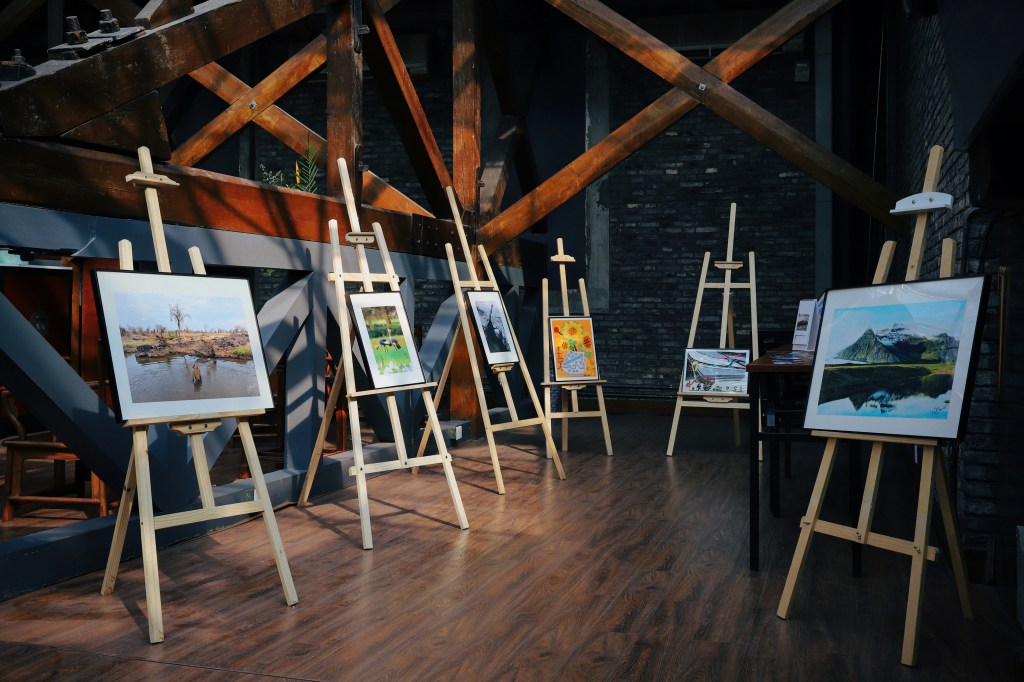
So, create your environment with a gallery that makes you happy, with art that is admirable and art that is celebrated (don’t forget to celebrate the others too!). Be a museum curator, pick only the best material.
🎫 Your ticket to improvement
Now that you have read the main concept of the “Museum of Happiness,” it is time to put these words into works, and let this knowledge live outside you. For that reason, this exercise acts as your ticket to improvement, it has the aim of making you ponder and to propel your life toward change. See yourself as a “Scientist of Self-Improvement,” you are in your Lab4, ready to create something big. Let’s start!
Moments worth framing
At the end of the day, think about all the moments that you lived, pay special attention to those things that made you feel something, some type of positive energy (it can be anything, even objects that you saw). Now that you have in mind those memories, open your Lab (your app notes) and write the title “Moments worth framing,” then, make a list of all those moments that made you feel good.
- Ponder about: “What moments today filled me with awe? What does my ‘Museum of Happiness’ look like?”
Every time you wake up, set the intention to be aware of these moments. Design your day based on triggering the feelings of joy, happiness, and awe.
- Ponder about: “What are my personal triggers for awe? How can I incorporate more of them into my life?”
Little by little, all the empty canvases in your museum will begin to take on color; and then, you will be coloring your life.
Footnotes
- Find more about “Awe” with the article by John Templeton Foundation. ↩︎
- One of the best books of meditation that I’ve ever read. By the way, I have a page about my Book Notes. If you would like to learn more about books, take a look here. ↩︎
- James Clear writes about habits, decision making, and continuous improvement. He’s written one of the most famous books in the world: Atomic Habits. ↩︎
- If you would like to get your Lab Excel completely for free, all you have to do is to subscribe to my Substack or to my newsletter (will come soon). ↩︎
Viventem gradatim; gradatim ferociter
 Sebas Bravo